
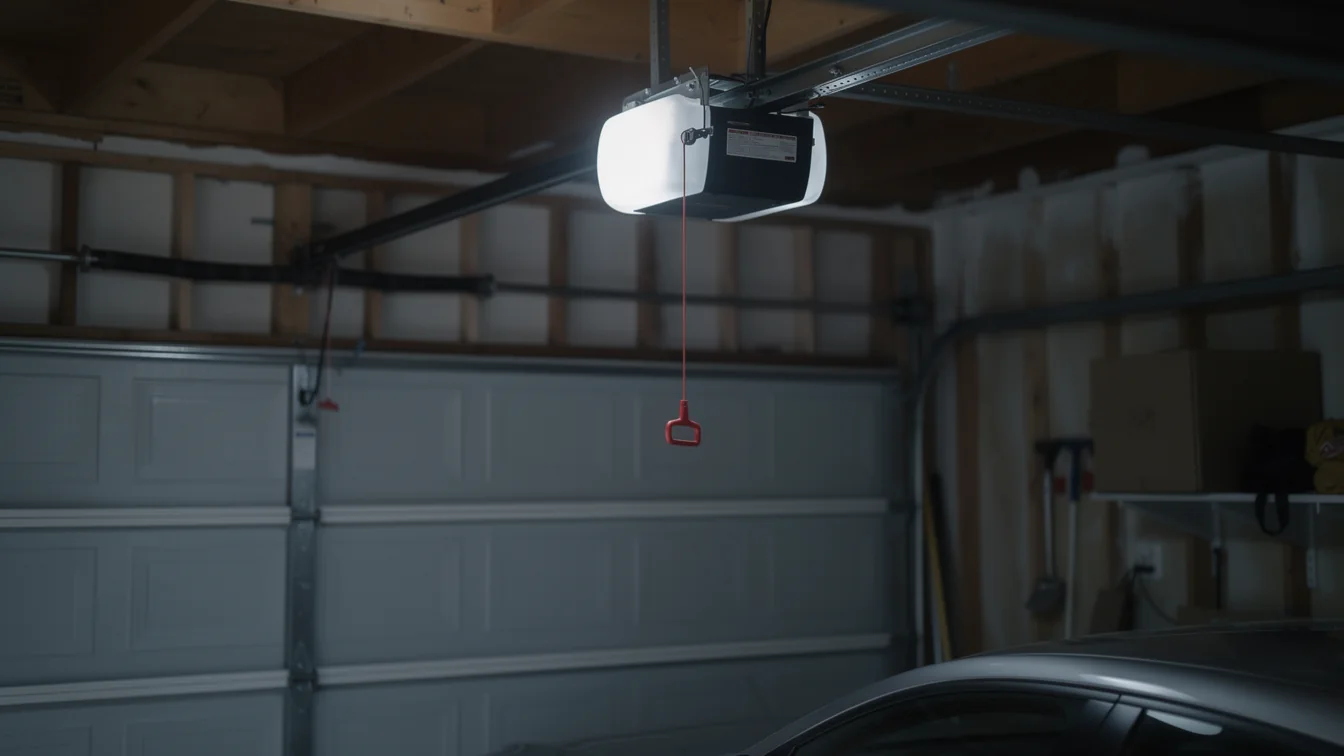
What Sierra Vista's Housing Stock Means for Your Opener
Most Sierra Vista garage door openers sit in houses built between 1971 and 1995.
Read moreMost houses in this part of Sierra Vista went up between 1971 and 1995, with older stock dating to the 1960s. Here's what that age and the local climate mean for your door.
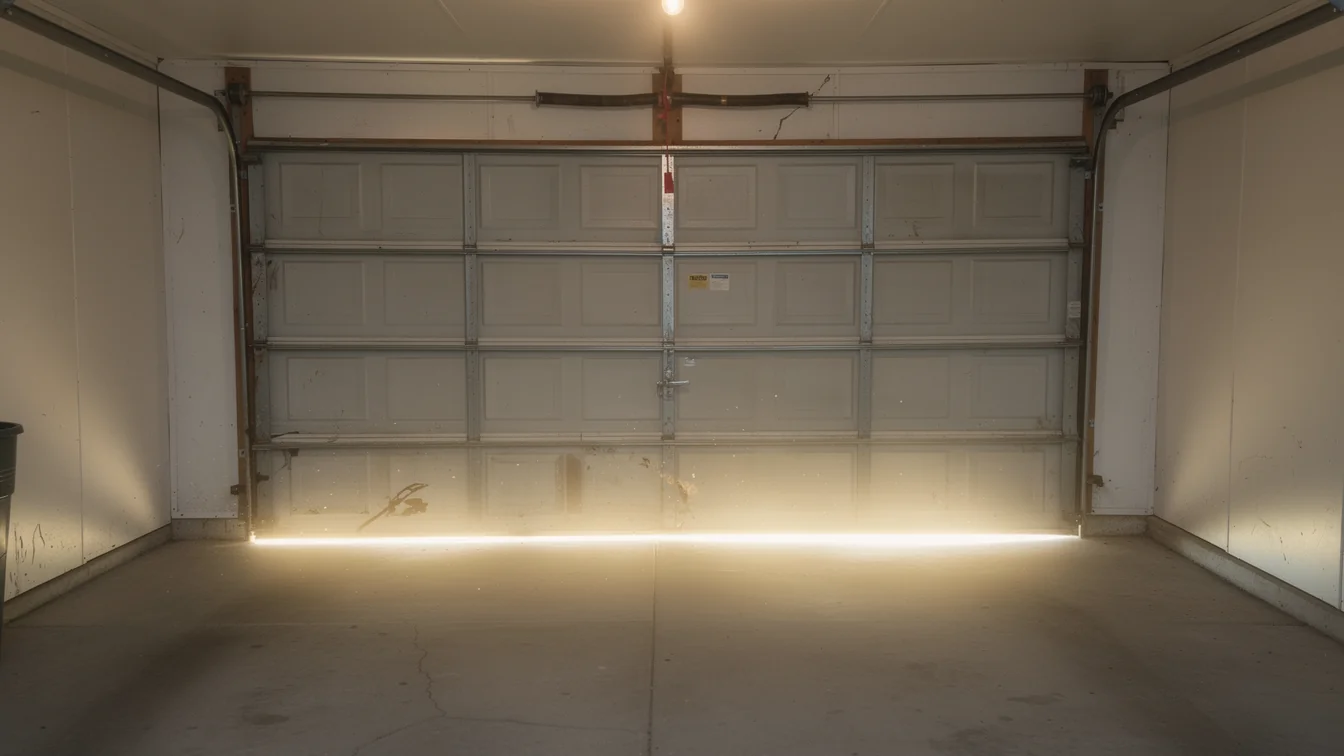
Local detail
If your door is a little noisy or the opener takes an extra second to kick in, you don't need to call anybody today. A lot of the housing in this service area was built between 1971 and 1995, with the median landing around 1978, and doors from that era can run rough for years before anything actually fails. Sierra Vista's climate band is moderate heat, not the freeze-thaw conditions that crack metal and seize springs overnight, so a slow opener or a squeaky roller usually isn't an emergency here the way it might be somewhere with hard winters.
Median household income across the area sits at $53,438, and that number matters for how you triage a repair. A $15 can of silicone lubricant on the hinges and track buys you months. Spending money on a diagnostic call for a door that's just noisy isn't a good use of that budget. Wait on cosmetic stuff - a dented bottom panel, a worn weatherstrip that still seals - until it actually stops doing its job. The honest truth is most of what feels urgent on a garage door is just annoying, and annoying can wait.
The area
Call when the door won't move, moves unevenly, or you hear a bang followed by the door going dead weight - that's almost always a broken torsion spring, and it's not a DIY fix because the spring is under enough tension to hurt you. With a lot of the local stock dating to the 1960s and 70s across the five areas that make up this service area, plenty of these doors are running on original or second-generation springs that are simply at the end of their cycle count, not broken because of anything you did.
Also call if the door reverses on its own going down, if a cable has frayed and started unwinding off the drum, or if the opener grinds without the door moving at all. Those are safety issues, not maintenance items. One limitation worth saying plainly: if your opener is old enough that the circuit board has failed and the model's been discontinued, we're not going to chase down a part that doesn't exist anymore - at that point a new opener costs less than the search.
What we find
The service area here is a mix of two building waves. A good chunk of houses went up between 1971 and 1995, with the median build year around 1978, but a meaningful amount of the stock is actually older - 1960s and 70s construction spread across the five named areas that make up this territory. That split matters for garage doors because hardware specs changed across those decades: track width, spring wind direction, and even the gauge of door panel steel weren't standardized the way they are now.
Across the roughly 9,033 households here, about 4,866 are owner-occupied houses - the kind with an actual garage and door to think about, as opposed to rentals or multifamily units where a landlord handles it. That owner-occupied share is relevant because it's the homeowner, not a property manager, deciding whether to patch an old door or replace it, and that decision usually comes down to whether the original hardware is still serviceable or has quietly become obsolete.
How we work
Sierra Vista sits in a moderate-heat climate band, which is a very different stress profile than the deep-freeze regions where steel contracts and springs lose temper in the cold. Here, the slow damage is heat-driven: rubber weatherstripping along the bottom seal and side jambs dries out and cracks faster under sustained heat exposure, nylon rollers get brittle and start chipping at their edges, and grease-based lubricants on track and hinges thin out and run off rather than staying put.
None of that means the door fails suddenly the way a frozen spring can snap in a cold-climate house. It means the wear is gradual and easy to ignore until the seal is gone or a roller finally splits. For houses built in the 1971-1995 window, that's often the first hardware failure you'll see - not the spring, not the opener, but the rubber and plastic components that were never built to last as long as the steel around them.
Questions
Depends what's actually wrong. If it's the spring, cables, or rollers, those are standard replacement parts regardless of the door's age and repair makes sense. If the panel steel itself is rusted through or the track is bent beyond adjustment, you're often better off replacing the door rather than chasing parts for a 50-year-old frame.
Yes, but slowly. The moderate heat band here dries out rubber seals and weatherstripping and breaks down lubricant on tracks and hinges faster than it would in a cooler climate. It's not dramatic like freeze damage elsewhere - it shows up as cracked seals and stiff rollers over a few years.
If the house was built in the 1971-1995 range common to this area and nobody's mentioned a spring replacement, there's a real chance it's original or close to it. Springs are rated in cycles, not years, so a door used daily for decades is a candidate for replacement even if it still technically works.
Recommendation
More garage door guides for Sierra Vista homeowners.
Most Sierra Vista garage door openers sit in houses built between 1971 and 1995.
Read more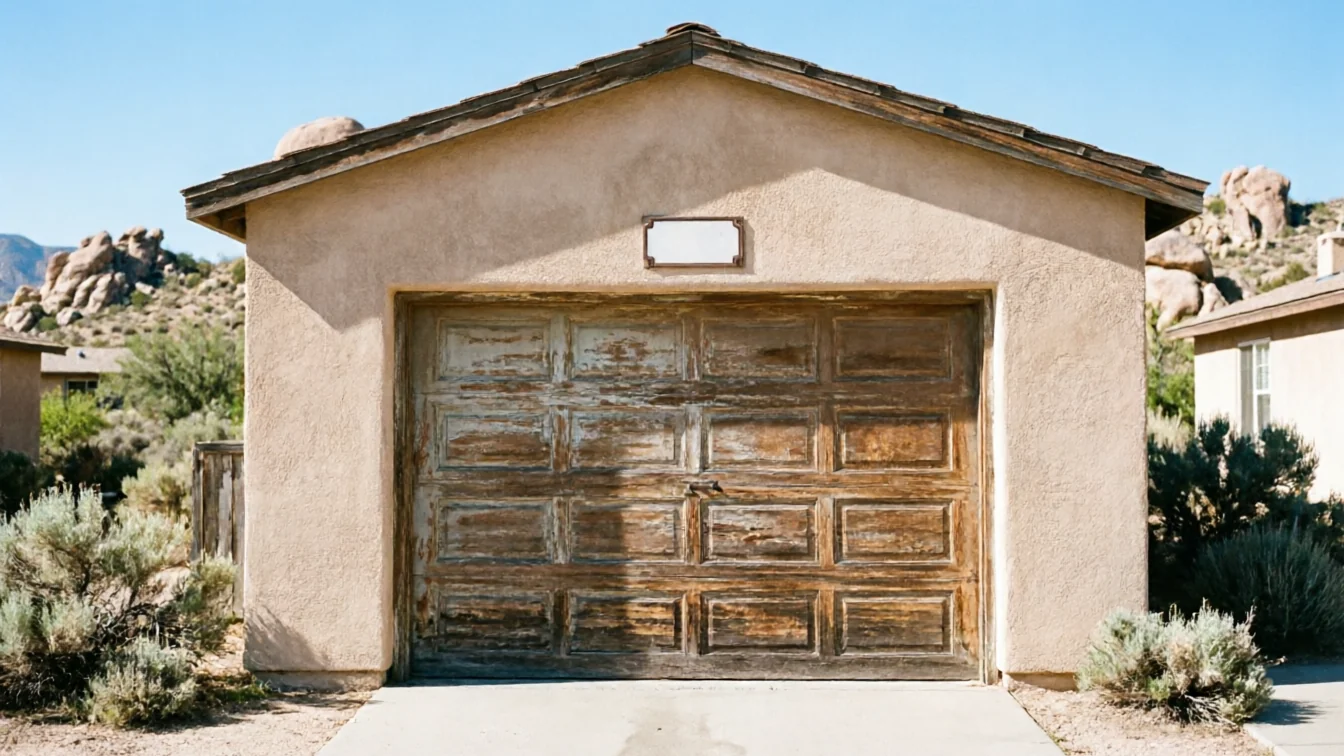
A look at what Sierra Vista's 1970s-era housing stock and dry heat mean for garage door upkeep, and when waiting costs more than calling.
Read more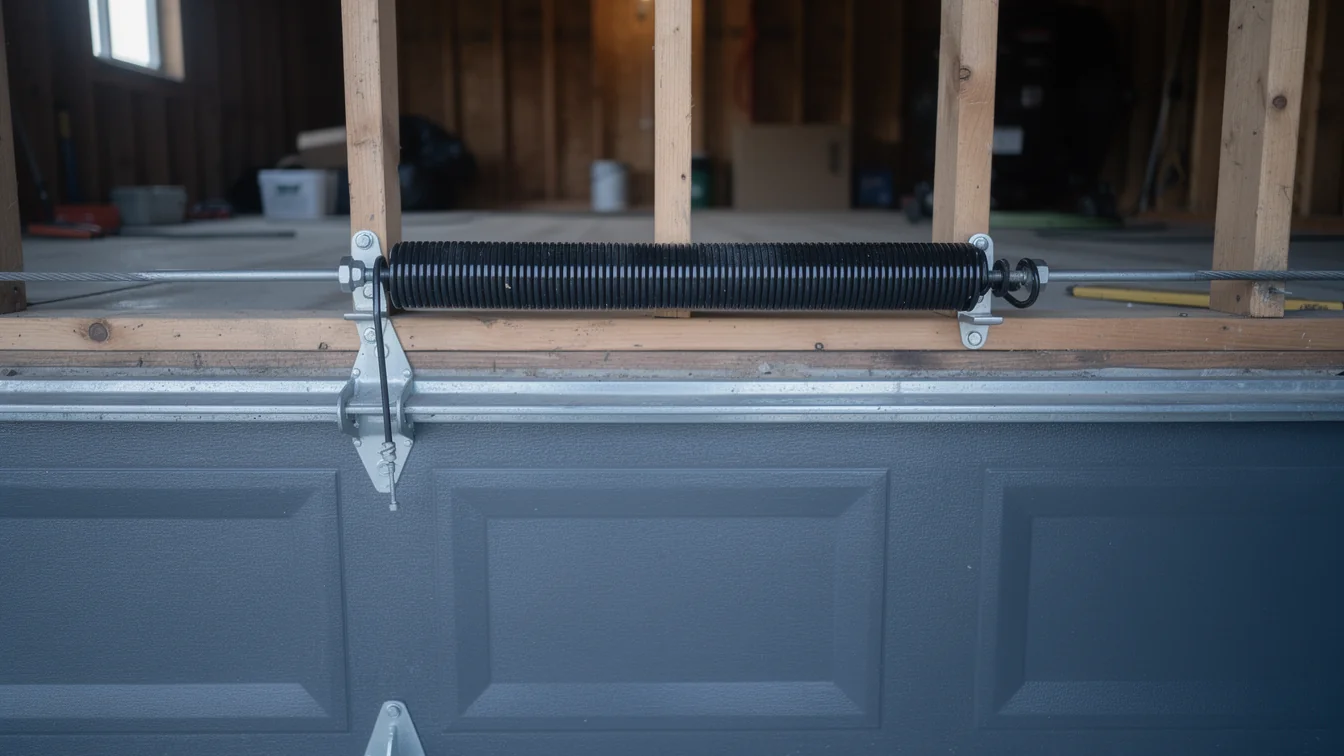
Sierra Vista's housing stock dates mostly to 1971-1995, with original hardware still common.
Read moreReady when you are
Sierra Vista Garage Door Pros repairs and installs garage doors, springs and openers in Sierra Vista, AZ and the surrounding area.