
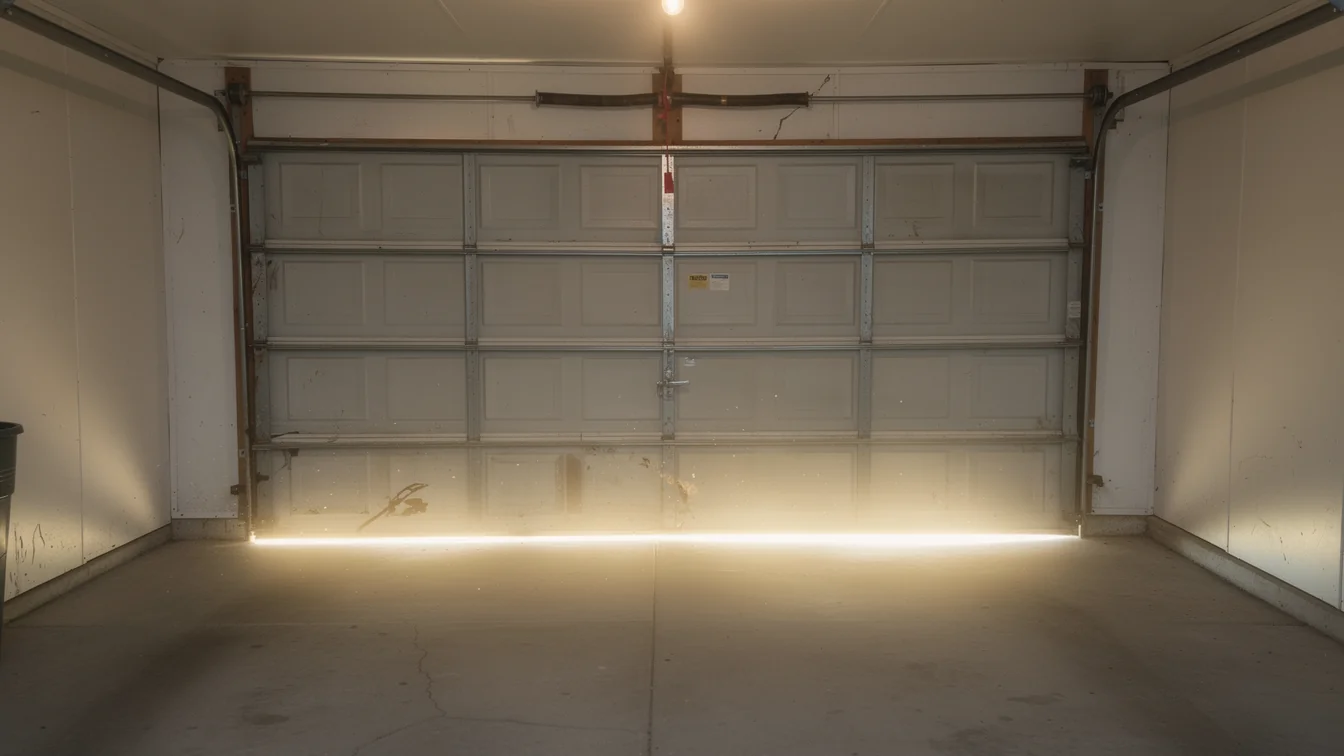
What Sierra Vista's Housing Age Means for Your Garage Door
Most houses in this part of Sierra Vista went up between 1971 and 1995, with older stock dating to the 1960s.
Read moreA look at what Sierra Vista's 1970s-era housing stock and dry heat mean for garage door upkeep, and when waiting costs more than calling.
Local detail
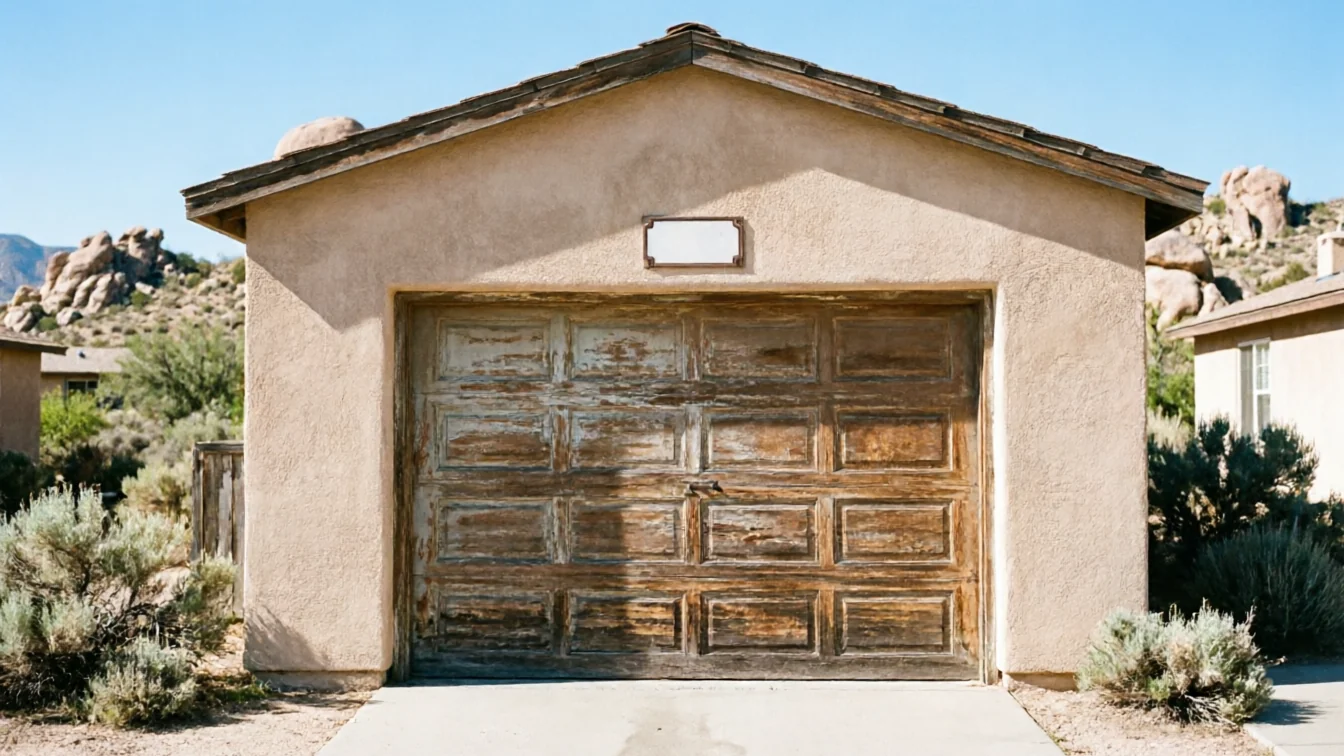
A lot of Sierra Vista sits on housing built between 1971 and 1995, with the median year right around 1978. That matters here because doors and openers from that era weren't built to the same spec as what's sold today, but they also weren't built badly - a steel panel door from 1978 that's been kept out of direct weather can still run fine on original hardware if the springs and rollers get attention now and then. If your door opens and closes without grinding, binding, or sagging on one side, and the opener doesn't strain on the last foot of travel, you don't need to do anything yet. Waiting isn't neglect when the door is still doing its job. What you shouldn't wait on is a spring that's visibly stretched or a cable fraying at the drum - those don't improve with time, they fail suddenly, usually when the door is halfway up. Across the five main pockets of 1960s-70s stock in this area, we see a consistent pattern: doors that got occasional lubrication and a yearly look at the springs are still on their original torsion hardware decades later. Doors that got ignored are the ones getting replaced in their forties instead of their sixties.
The area
Call when the door makes a new noise it didn't make last month, when one side lifts faster than the other, or when the opener motor sounds like it's working harder than it used to. On a house from the 1970s or 80s, that extra strain is almost always a spring losing tension or a track that's shifted slightly out of parallel - small things that turn into a jammed door or a dented panel if they sit. With median household income in the service area at $53,438, we'd rather tell you a cable splice or a roller swap gets another several years out of an original door than push a full replacement nobody asked for. That's the honest limit of what we do: if the door's worth saving, we say so. If the opener's circuit board is shot and parts for it haven't been made in twenty years, we'll say that too, because chasing obsolete parts isn't a fair use of anyone's money. Across roughly 9,033 households in this area, with close to 4,866 of them owner-occupied, the mix of original equipment versus replaced equipment varies a lot house to house - there's no single answer for
What we find
Sierra Vista's older neighborhoods - the ones built mostly in the 1960s and 70s across the five named areas here - have a specific maintenance pattern. Original one-piece and sectional doors from that stretch were hung on hardware that's held up better than people expect in this climate, but the weak points are predictable: nylon rollers gone brittle, spring coatings worn thin, and weatherstripping that's cracked from decades of sun rather than rain. Out toward Huachuca City, five miles off, and further out past Whetstone and Elgin, you get similar-era housing with the same wear pattern, just spread thinner. Closer in, Sierra Vista Southeast carries a denser run of that 1970s stock. None of this means the doors are failing - it means the failure points are known, and checking them takes fifteen minutes, not a service call.
How we work
This is a moderate heat climate, not an extreme one, so you're not dealing with the kind of thermal cycling that cracks panels or warps tracks the way you'd see somewhere with harsher swings. What moderate heat does, steadily, is dry out lubricant and stiffen rubber seals faster than a cooler climate would. On a door built before 1995, that shows up as a stiffer opener cycle and a bottom seal that's lost its flex. It's a slow problem, which is exactly why it gets ignored - nothing breaks suddenly, it just gets a little worse every summer until the opener is straining on every cycle. A five-minute check of the bottom seal and a re-lube of the hinges and rollers once a year does more for a door in this climate than any single repair. That's not a sales pitch for a service plan we don't offer here - it's just the cheapest maintenance there is.
Questions
Often yes, if the issue is mechanical - a worn gear, a weak capacitor, a misaligned sensor. If the control board itself is failing, parts for openers that old usually aren't being made anymore, and at that point replacing the opener costs less than hunting for parts.
Sierra Vista sits in a moderate heat band, and that steady dry heat dries out lubricant on rollers and hinges faster than cooler, wetter climates do. It's gradual, so it's easy to miss until the opener is visibly straining on every cycle.
Age alone isn't the test. A door from the 1970s or 80s with sound panels, decent rollers, and a spring that's been swapped when it needed it can keep running. Replace when the frame's bent, the panels are failing, or repair parts for a specific opener model no longer exist.
Recommendation
More garage door guides for Sierra Vista homeowners.
Most houses in this part of Sierra Vista went up between 1971 and 1995, with older stock dating to the 1960s.
Read more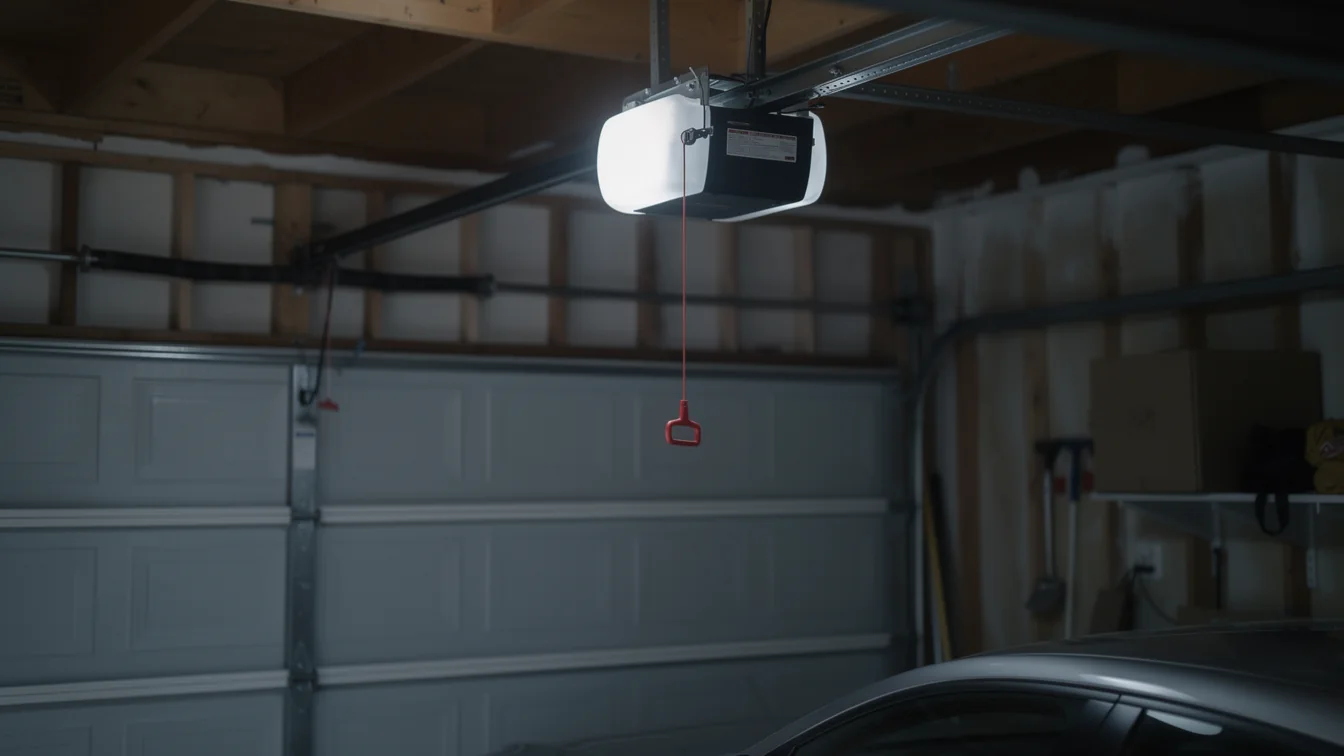
Most Sierra Vista garage door openers sit in houses built between 1971 and 1995.
Read more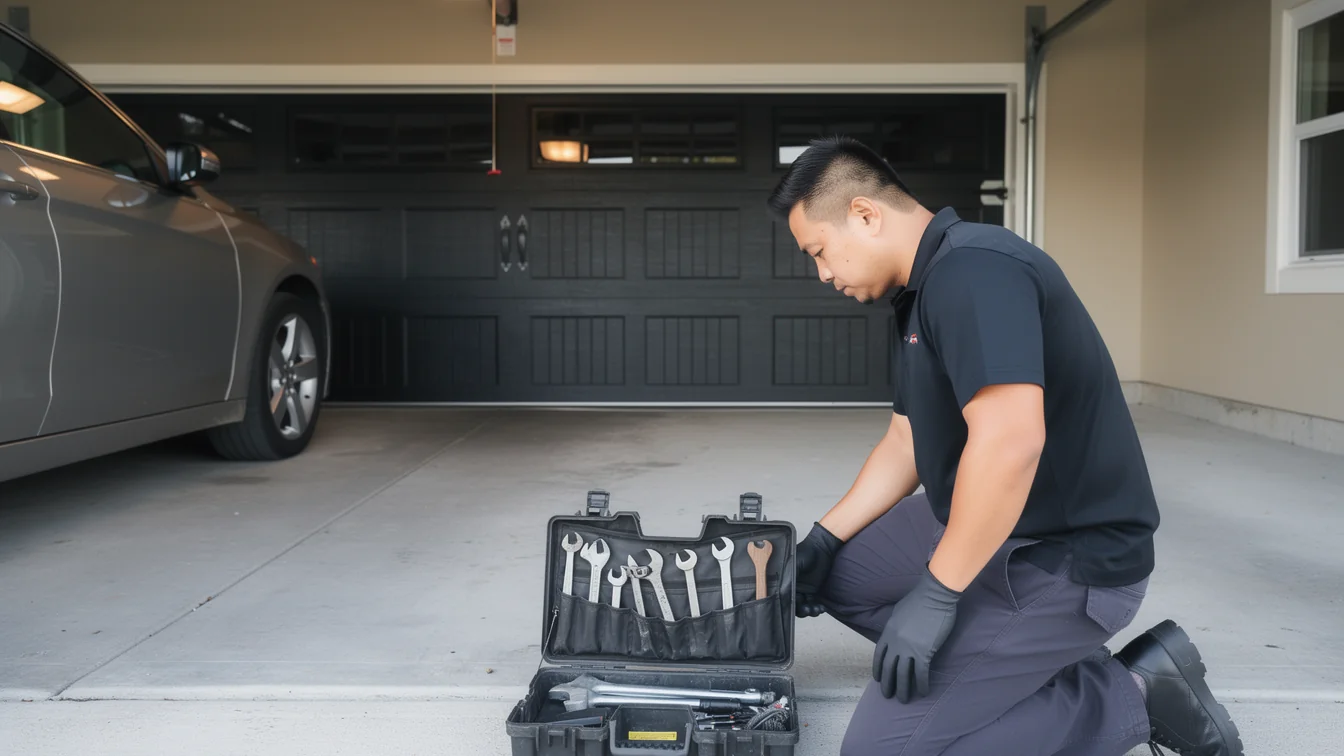
What a Sierra Vista Garage Door Pros service call covers, tied to the area's 1971-1995 housing stock, moderate heat, and the hardware still running on 1970s-era doors.
Read moreReady when you are
Sierra Vista Garage Door Pros repairs and installs garage doors, springs and openers in Sierra Vista, AZ and the surrounding area.