
What Sierra Vista Homeowners Should Know About Their Garage Door
Sierra Vista's housing stock dates mostly to 1971-1995, with original hardware still common.
Read moreWhat a Sierra Vista Garage Door Pros service call covers, tied to the area's 1971-1995 housing stock, moderate heat, and the hardware still running on 1970s-era doors.
Local detail
Not every noise or sticky spot means you need a truck in your driveway. If your door is one of the many built when this area went up between 1971 and 1995, with the median landing around 1978, some roughness is just age showing. A little chain slack on an older opener, a roller that chirps on cold mornings, a slight cosmetic dent on a panel that's been there for years - none of that is urgent. Houses across this side of the state, from Huachuca City out to Sierra Vista Southeast, carry a lot of that same 1960s-70s stock, and the doors on them have been doing their job this whole time without failing. If the door still opens smooth, closes flush, and the spring isn't making a popping or grinding sound, you can wait. Spend your money on something else this month. The honest truth is we'd rather you call us when something's actually wrong than pay for a check-up on a door that's fine. Watching for change - new noise, new resistance, a door that starts hanging crooked - is the real maintenance most of these older setups need.
The area
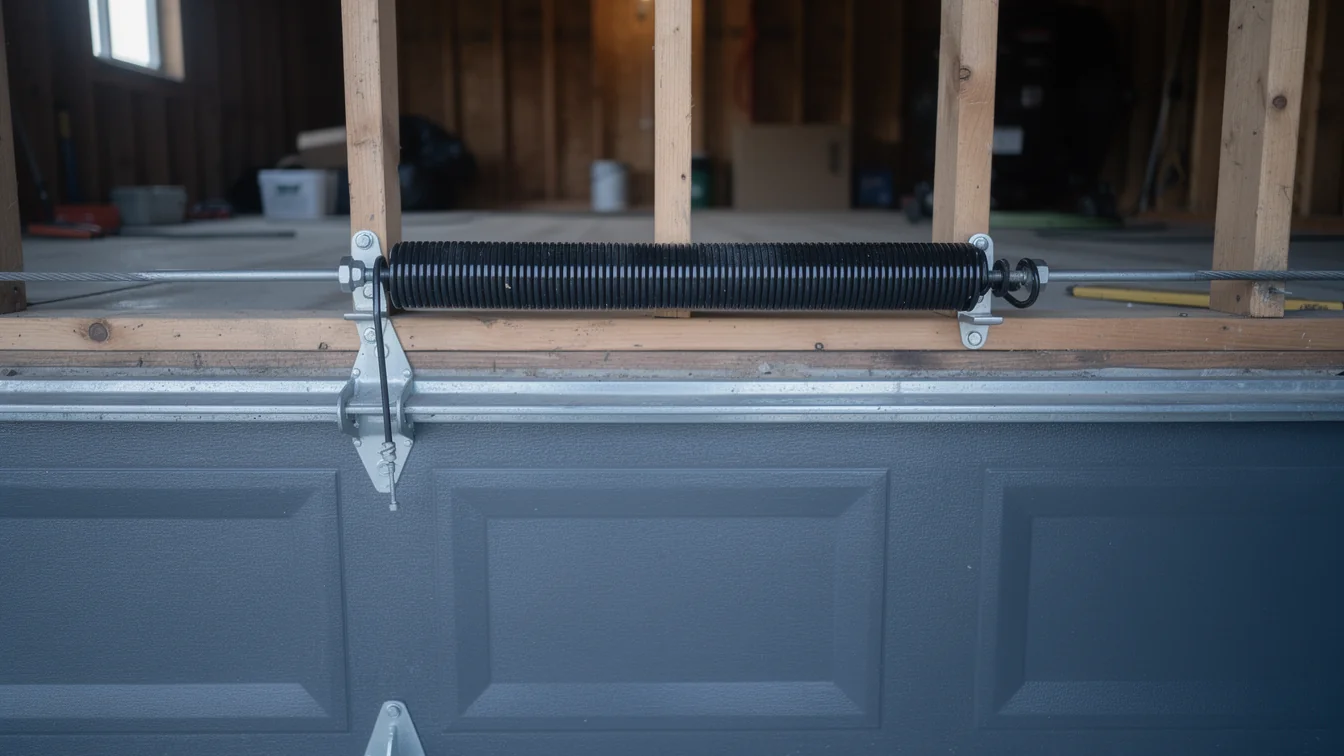
Call when the door stops behaving the way it always has. A torsion spring that's visibly separated, a cable that's frayed or off its drum, a track that's pulled away from the wall - those aren't wait-and-see problems, especially on the original hardware still running in houses from the 1970s and 80s. That hardware wasn't built to last fifty years, and a lot of it is getting close. If the door reverses on its own, slams the last foot of travel, or an opener from that era grinds instead of running quiet, that's a call, not a maintenance note. We'll say this plainly: if your opener or springs are original to a house built in the 1970s or earlier, we're probably going to recommend replacement parts over trying to keep the old ones limping along, because matching hardware from that period often isn't made anymore. That's not us upselling - it's the actual limit of what a repair can do once parts are obsolete.
What we find
The service area runs from Huachuca City five miles out, through Sierra Vista Southeast at ten miles, Whetstone at eleven, Sunnyside ten miles southwest, Elgin at fifteen, and Tombstone at eighteen. Across that spread, the housing is mostly 1960s and 70s construction, with the broader build window running 1971 to 1995 and a median year around 1978. There are 9,033 households in the area and 4,866 owner-occupied houses, with a median household income of $53,438. That number matters for how we handle a call - a lot of homeowners here want a repair that actually fixes the problem without jumping straight to a full door replacement, and at that income level a $200 spring job and a $1,500 door swap are very different decisions. So when we're out on a call, the first question is whether the original hardware can be matched and fixed, or whether it's old enough that parts are the real obstacle, not labor.
How we work
The climate here runs a moderate heat band - not the extreme swings some parts of the state get, but enough heat over enough years to work on a door's moving parts. Weatherstripping on doors that have been through decades of that heat tends to crack and shrink rather than just wear flat, which lets in dust and light along the bottom edge. Lubricant on older rollers and hinges - especially on doors original to houses from the 1971-1995 build window - dries out faster under sustained heat than it would in a cooler climate, which is part of why those original setups start chirping and binding years before anything mechanical actually fails. Metal track can expand slightly during the hottest stretches, just enough to throw a roller off alignment on a door that was already running a little loose. None of this means the heat here is severe. It means moderate heat, sustained over forty or fifty years on the same hardware, adds up to real wear - which is most of what we find when we open up a service call on an older door in this area.
Questions
If you see a visible gap in the coil, hear a loud bang from the garage, or the door feels heavy and uneven when you lift it manually, the spring is likely broken or going. On houses built in the 1970s and 80s, which make up a lot of the stock here, original springs are well past their expected cycle count by now.
Depends on the age and what's wrong. If the opener is original to a house from the 1971-1995 window and the motor itself is failing, replacement parts for that era are often hard to source, and a new opener ends up being the more practical call than chasing obsolete components.
It's a moderate heat climate, not an extreme one, but sustained heat over decades dries out weatherstripping and lubricant and can cause slight track expansion. On older doors that have been through forty-plus years of it, that adds up to the wear we see most often on service calls.
If it still opens fully, closes flush, and the spring sounds normal, yes - a little roughness on an older door isn't an emergency. Call when the noise changes, the door hangs crooked, or something that used to move smooth suddenly doesn't.
Recommendation
More garage door guides for Sierra Vista homeowners.
Sierra Vista's housing stock dates mostly to 1971-1995, with original hardware still common.
Read more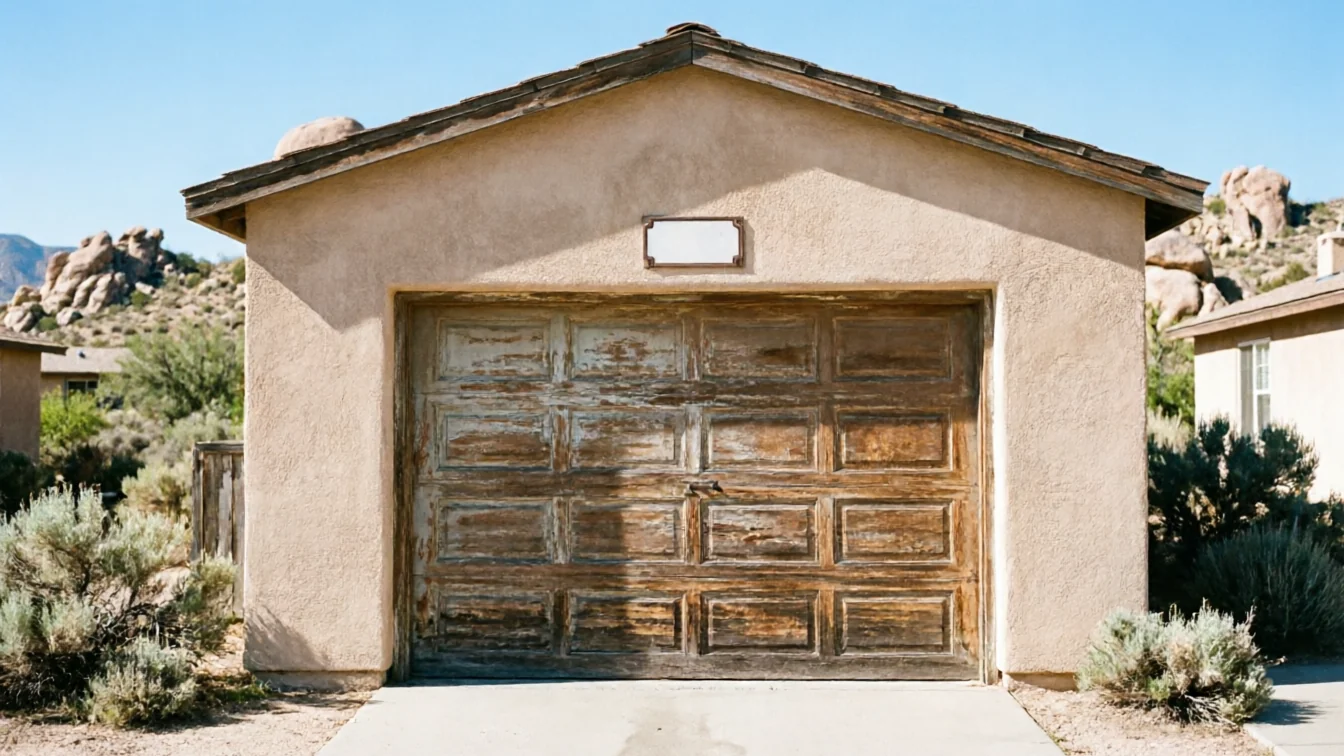
A look at what Sierra Vista's 1970s-era housing stock and dry heat mean for garage door upkeep, and when waiting costs more than calling.
Read more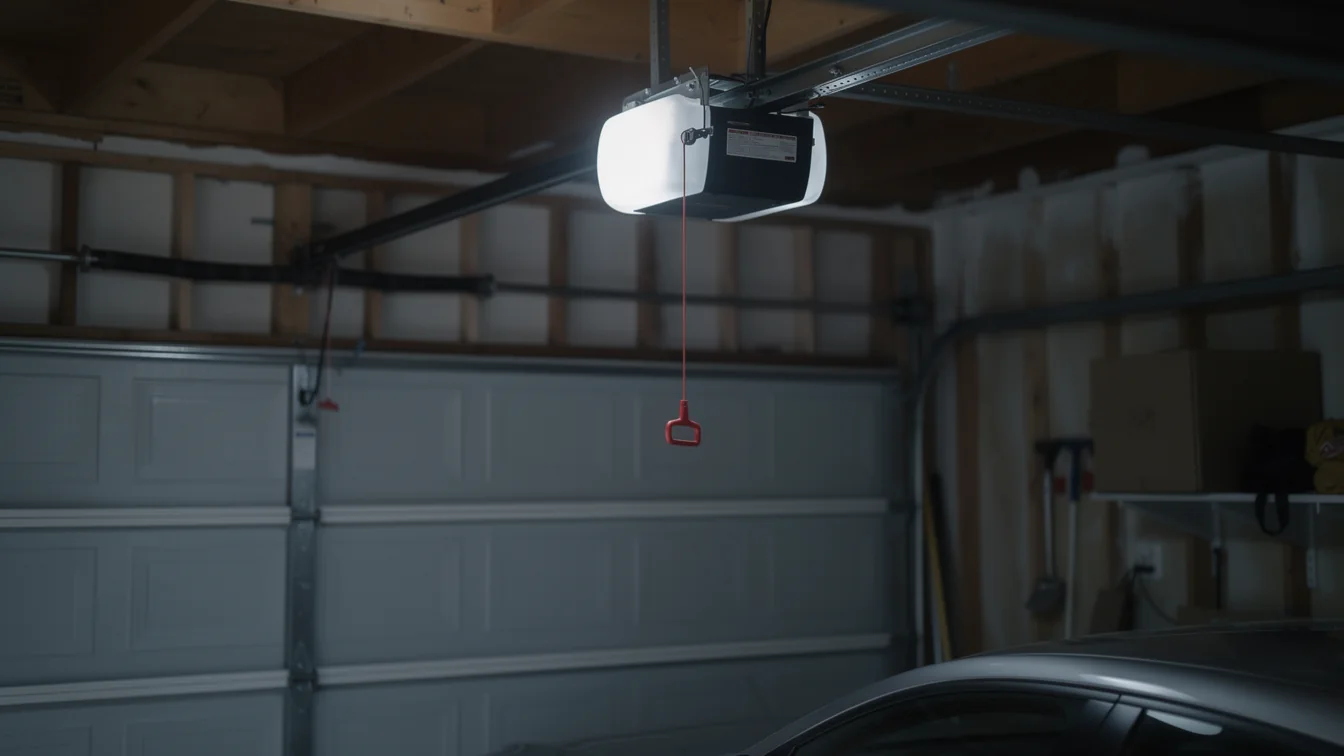
Most Sierra Vista garage door openers sit in houses built between 1971 and 1995.
Read moreReady when you are
Sierra Vista Garage Door Pros repairs and installs garage doors, springs and openers in Sierra Vista, AZ and the surrounding area.