
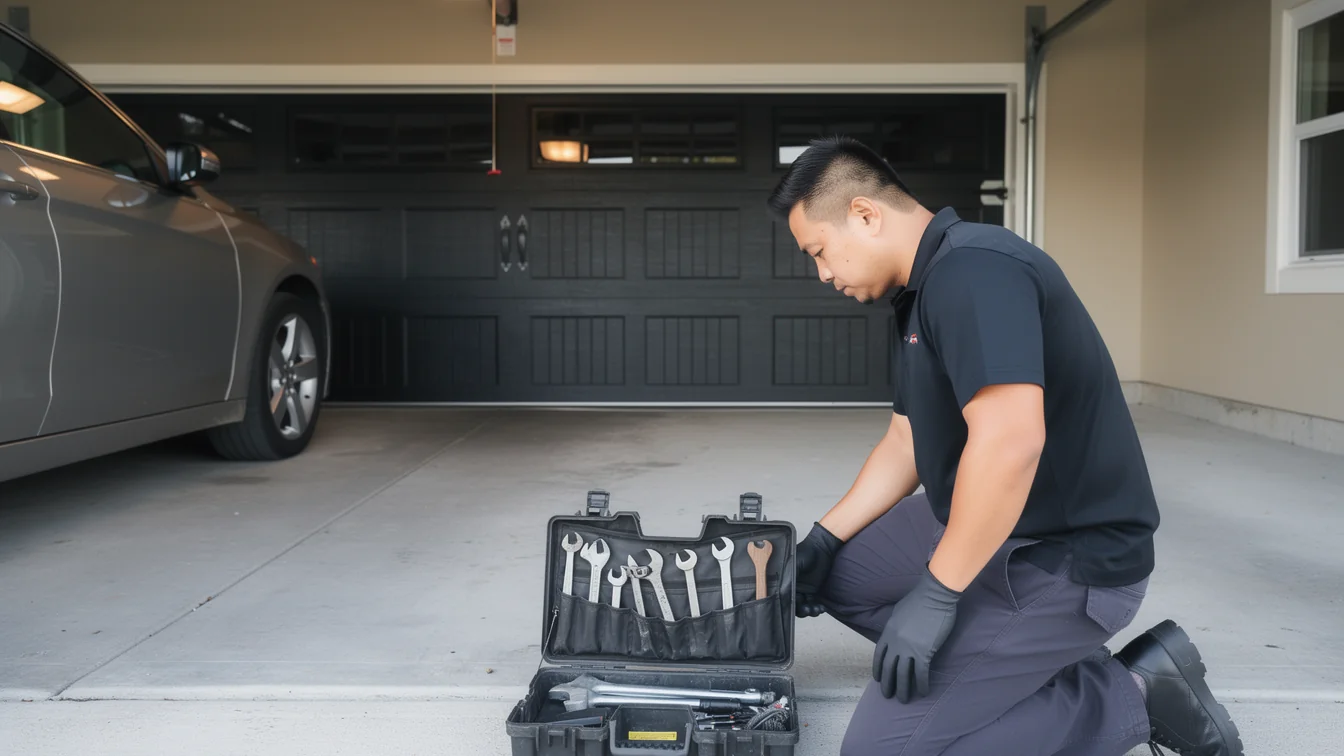
What a Garage Door Service Call Covers in Sierra Vista
What a Sierra Vista Garage Door Pros service call covers, tied to the area's 1971-1995 housing stock, moderate heat, and the hardware still running on 1970s-era doors.
Read moreSierra Vista's housing stock dates mostly to 1971-1995, with original hardware still common. Here's what to watch, what to ignore, and what the heat here actually does.
Local detail
If your door opens and closes without drama, waiting is a reasonable call. A lot of the houses across this service area went up between 1971 and 1995, with a median build year around 1978, and plenty of those doors are still running on hardware from that original install. A spring that's held for forty-plus years isn't a ticking bomb just because it's old - torsion springs are rated by cycle count, not calendar year, and a door that's been used a normal amount can keep going a while longer.\n\nWhat you're watching for isn't age, it's behavior. Does the door still balance when you pull the release and lift it by hand halfway? Does it stop smoothly, or does it shudder at the same spot every time? If nothing's changed, there's no reason to replace parts on a schedule just because the neighborhood's housing stock skews older. We'd rather tell you to leave it alone and save the job for when something actually needs it. That's the honest answer more often than people expect, especially on the 1960s-70s stock that makes up a good share of the five areas we cover.
The area
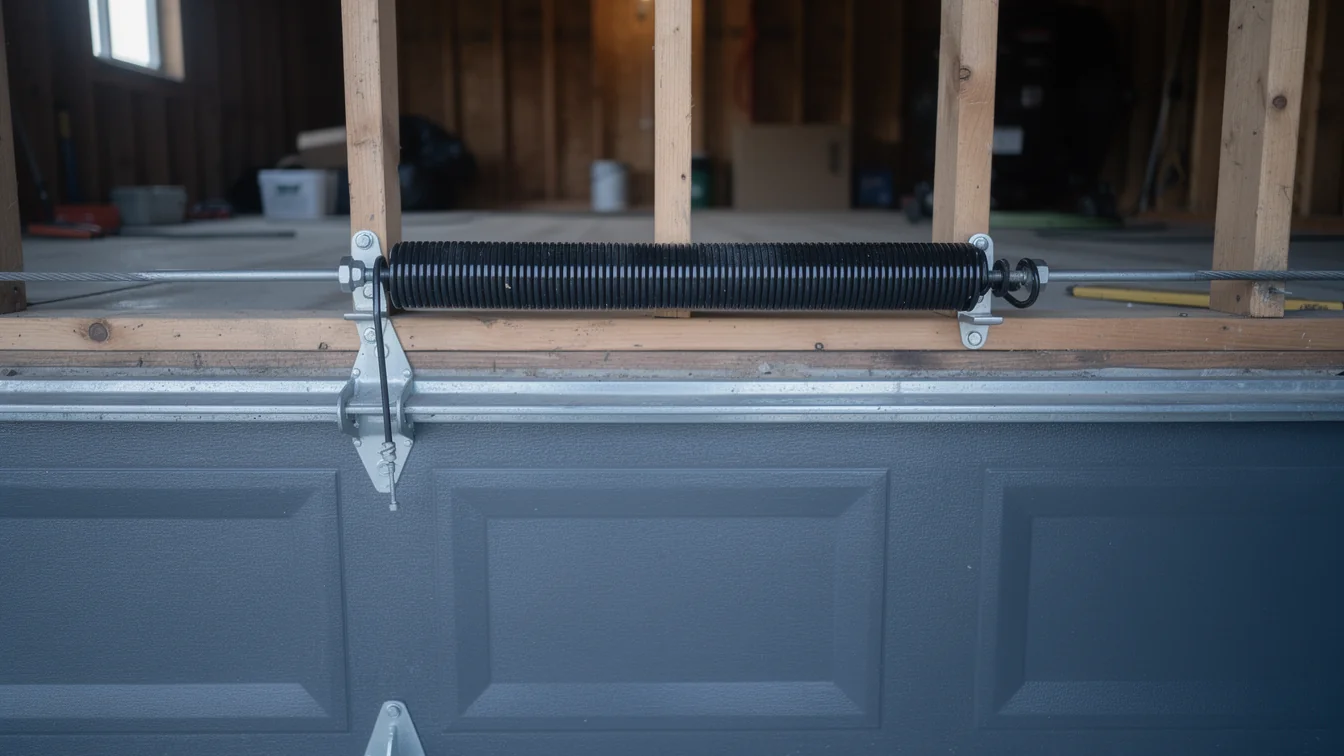
A few things move this from \"keep an eye on it\" to \"get it looked at.\" A visible gap in a torsion spring coil, a cable that's frayed or has come off its drum, or a door that's noticeably off-level when it's halfway up - any of those mean the door is no longer safe to run on the opener alone, and forcing it through more cycles risks the opener motor or the track itself.\n\nOn homes built in that 1971-1995 window, the common failure we see is original hardware finally giving out after decades of cycling - not a sudden defect, just the end of a long service life. If your door is from that era and you're hearing a new grinding or banging sound on the way up, that's worth a call rather than a wait. We'll be straight with you: if the door and track are in decent shape, a repair is almost always cheaper than replacement, and we won't push a full door swap on you unless the panels or frame are actually failing.
What we find
The service area runs about 9,033 households, with roughly 4,866 of those in owner-occupied houses - meaning most of the doors we see belong to people who've owned the place long enough to know its quirks. Median household income here sits at $53,438, which shapes a lot of the calls we get: people want a straight answer on repair versus replace, not an upsell.\n\nHousing-wise, the mix leans toward that 1971-1995 construction window, with several of the five main residential areas still carrying 1960s and 70s stock. That matters for garage doors specifically because a door installed in, say, 1980 was built to a different spec than what's sold today - lighter gauge steel, no insulation layer, hardware sized for a lighter door. When one of those finally needs a part, it's not always a stock item, and matching track width or spring wire gauge to a forty-year-old frame takes an actual look, not a guess over the phone.
How we work
This area sits in a moderate heat climate band, and that shows up on garage doors in slower, less dramatic ways than people expect. It's not a single bad storm wrecking a door overnight - it's steady heat cycling that dries out lubricant on rollers and hinges faster than it would somewhere cooler, and that same heat can cause enough expansion in steel tracks to shift alignment by a hair over a season. On a door that's already decades old, that small shift is often what finally turns a quiet squeak into a binding roller or a track that needs re-aligning.\n\nNylon rollers in particular take the brunt of it - repeated heat exposure makes them brittle years before they'd fail in a milder climate, and a cracked roller under load is one of the more common calls we get on older doors in this area. Keeping hinges and rollers lubricated on a normal schedule does more here than most people assume, precisely because the heat works against you every day, not just on the hot ones.
Questions
It's possible. A lot of homes in this area date to that 1971-1995 window, and original hardware from that era can still be running fine if it's been maintained. The way to check isn't the age on paper, it's whether the door balances correctly and runs smoothly - that tells you more than the build year does.
Yes, mostly through steady wear rather than sudden failure. Moderate heat dries out lubricant on rollers and hinges faster and can make nylon rollers brittle over time. It's a slow effect, which is why a lot of people don't notice until a roller cracks or the door starts binding on the track.
Depends on what's actually wrong. If the frame and track are sound and it's a spring, cable, or roller issue, repair is almost always the cheaper and faster route. Replacement makes sense when the panels are rusted through or the frame itself is bent - we'll tell you honestly which situation you're in.
Recommendation
More garage door guides for Sierra Vista homeowners.
What a Sierra Vista Garage Door Pros service call covers, tied to the area's 1971-1995 housing stock, moderate heat, and the hardware still running on 1970s-era doors.
Read more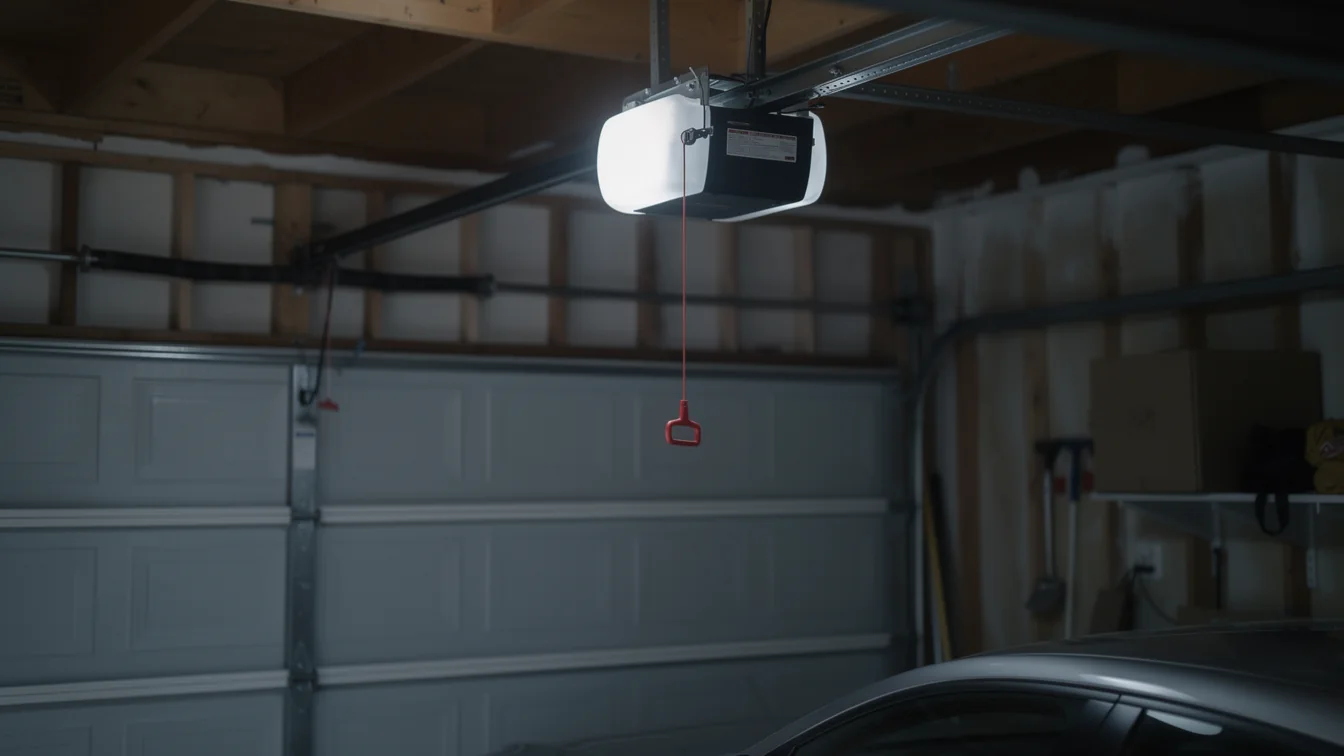
Most Sierra Vista garage door openers sit in houses built between 1971 and 1995.
Read more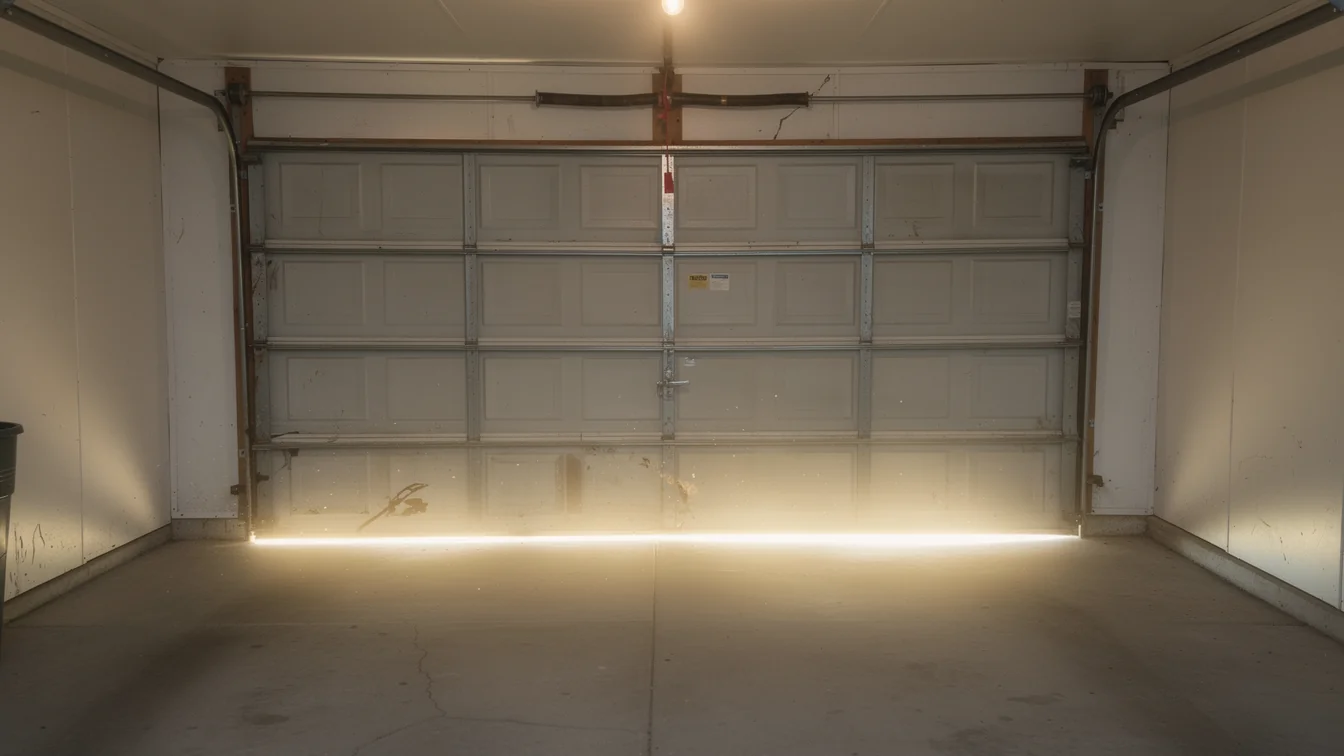
Most houses in this part of Sierra Vista went up between 1971 and 1995, with older stock dating to the 1960s.
Read moreReady when you are
Sierra Vista Garage Door Pros repairs and installs garage doors, springs and openers in Sierra Vista, AZ and the surrounding area.