
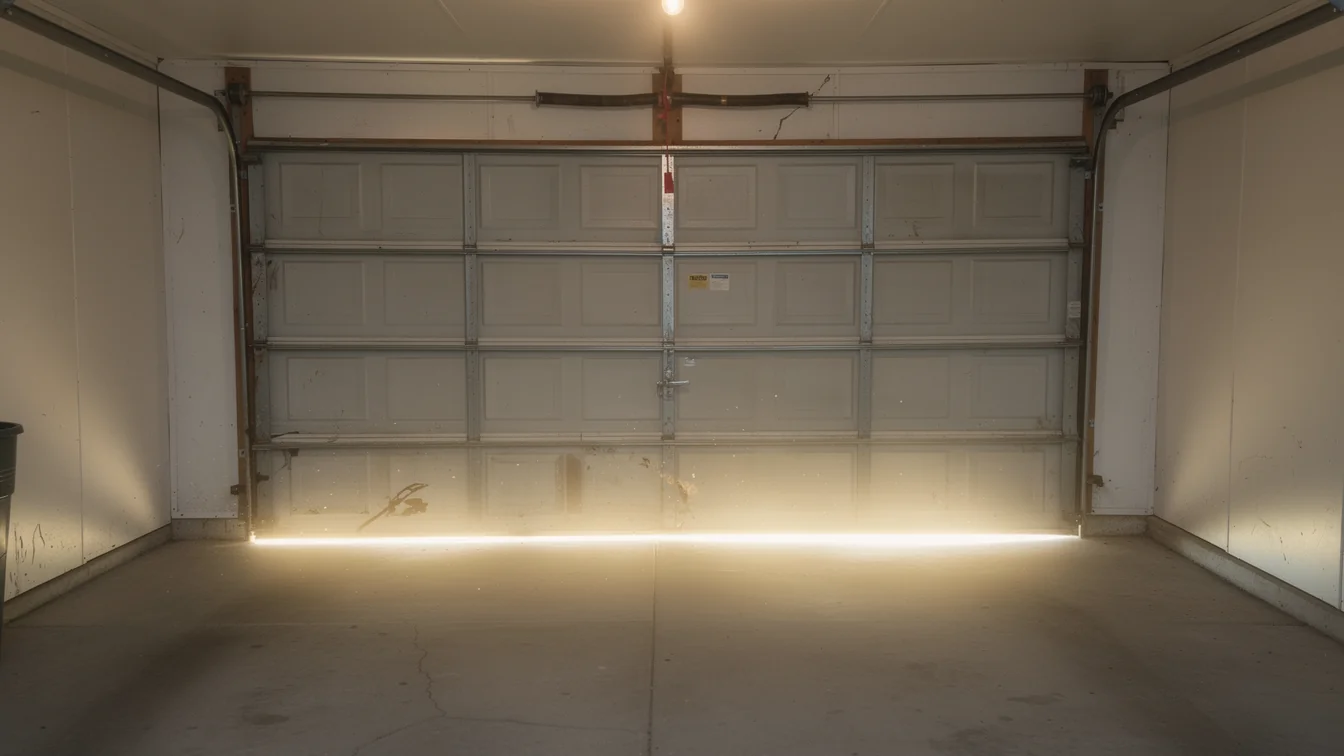
What Sierra Vista's Housing Age Means for Your Garage Door
Most houses in this part of Sierra Vista went up between 1971 and 1995, with older stock dating to the 1960s.
Read moreMost Sierra Vista garage door openers sit in houses built between 1971 and 1995. Summer heat and power cuts wear on them differently than new construction does.
Local detail
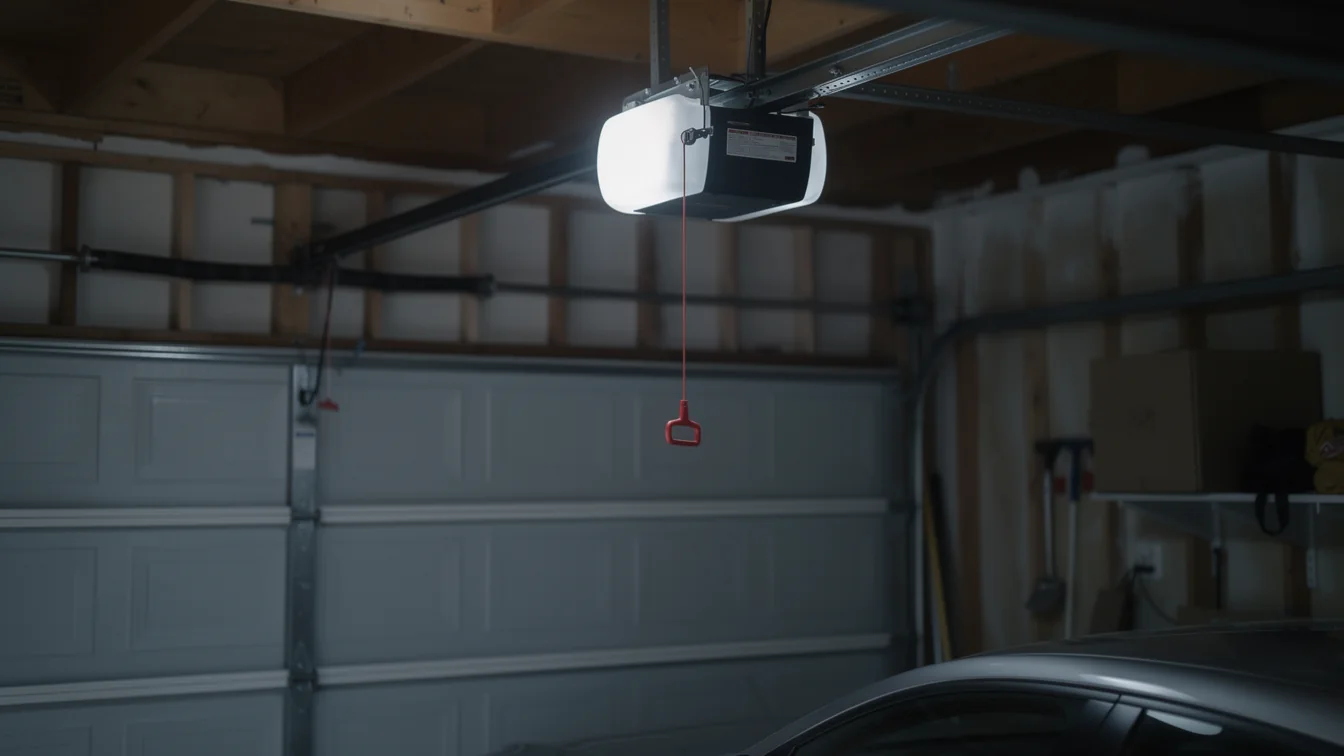
If the power goes out and your opener just sits there dead, that's normal - it's not broken, it's unpowered. Pull the manual release cord, lift the door by hand, and wait. Once power is back, most openers in this area reset themselves with no intervention needed. If yours runs on the original motor from a house built in the 1971-1995 window that makes up most of this service area, and it still opens and closes clean after the outage, leave it alone. There's no reason to swap a working opener for a newer one just because the lights flickered.
The one thing worth checking after any outage is the safety reversal - set something under the door's path and make sure it stops and backs up instead of pushing through. If that still works, you're fine. If your opener predates reversal sensors entirely, that's a different conversation, but don't assume a power blip means the unit is failing. In a lot of houses out here, these motors have been running since the Carter administration and a short outage isn't what kills them. Heat cycles and age do that slower, over years, not in one afternoon.
The area
Call when the opener runs louder after a hot stretch than it did in spring, or when it starts reversing before it's even touched anything on the ground. Both point to a circuit board or capacitor giving out under thermal stress, which shows up more in a moderate-heat climate like this one than it would somewhere cooler. If the opener trips a breaker every time it cycles, don't keep resetting it - that's an electrical load problem, not something to run through repeatedly.
Another call-worthy sign: the opener works but the door doesn't fully seat, or it reverses randomly with nothing blocking it. In housing stock from the 1960s-70s and 1971-1995 era that covers the five named areas here, that's often a sensor alignment issue from decades of garage temperature swings shifting the mounting brackets, not the opener unit itself. We don't recommend troubleshooting a grinding or burning-smell opener over the phone - if you smell anything electrical, kill power at the outlet and get it looked at in person before using it again.
What we find
This service area runs from Huachuca City five miles out to Sierra Vista Southeast at ten miles, with Whetstone, Elgin, Tombstone, and Sunnyside further out in a loose ring. Across roughly 9,033 households, about 4,866 are owner-occupied houses, and median household income sits at $53,438 - a number that shapes a lot of decisions we see, namely that people fix an opener before they replace one.
Most of the housing stock here went up between 1971 and 1995, with the median landing around 1978, and the older end of that - 1960s and 70s construction - still carries original or first-replacement openers in a lot of these five areas. That means parts availability varies: some drive gears and logic boards from that era are easy to source, others aren't made anymore and the whole head unit has to go. We'll tell you straight when a board isn't worth chasing down versus when it is - we don't stretch a repair out just to avoid saying replace it.
How we work
This area sits in a moderate heat climate band, not the extreme end you'd find elsewhere in the state, but moderate heat over years still does real damage to an opener's electronics and lubrication. Grease on the rail and drive screw thins out and migrates in warm months, then runs dry faster than it would in a cooler climate, which is part of why a chain or screw-drive opener installed in the 1970s-90s window needs more frequent lubrication checks here than the manual suggests.
Circuit boards take the other hit. Capacitors degrade faster with repeated heat cycling, and that shows up as the random reversals and breaker trips covered above. None of this is sudden - it's cumulative, the kind of wear that shows up as a five-year problem, not a one-season one. We don't carry a fix for every board that heat has cooked past its life; past a certain point in an opener's age, especially the originals still running in older sections of this area, replacement is the honest answer, not another repair visit.
Questions
Not necessarily. Check the outlet with another device first - a tripped GFCI near the garage is common. If the outlet works and the opener still won't respond, the board may have taken damage, especially if it's an older unit. Pull the manual release and use the door by hand until you can get it checked.
Heat thins the lubricant on the rail and drive mechanism faster than it would in a cooler climate, so by late summer a lot of openers in this area are running drier than they should. A relube often fixes it. If grinding continues after fresh lubricant, the motor or gear itself may be wearing out.
Sometimes. If the motor and drive are mechanically sound and the issue is the board or a sensor, repair makes sense. If the unit lacks modern safety reversal entirely or parts simply aren't made anymore, replacement is the more honest call - we'll tell you which situation you're in before doing any work.
Recommendation
More garage door guides for Sierra Vista homeowners.
Most houses in this part of Sierra Vista went up between 1971 and 1995, with older stock dating to the 1960s.
Read more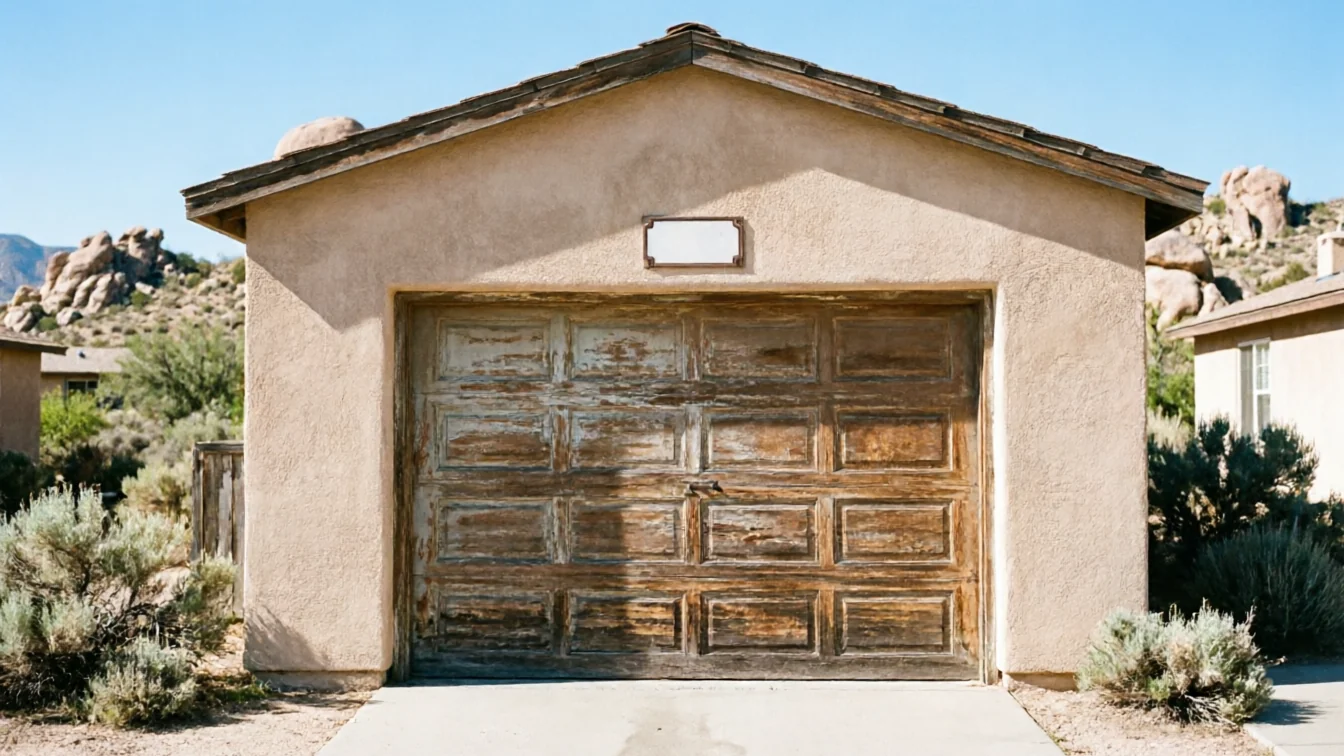
A look at what Sierra Vista's 1970s-era housing stock and dry heat mean for garage door upkeep, and when waiting costs more than calling.
Read more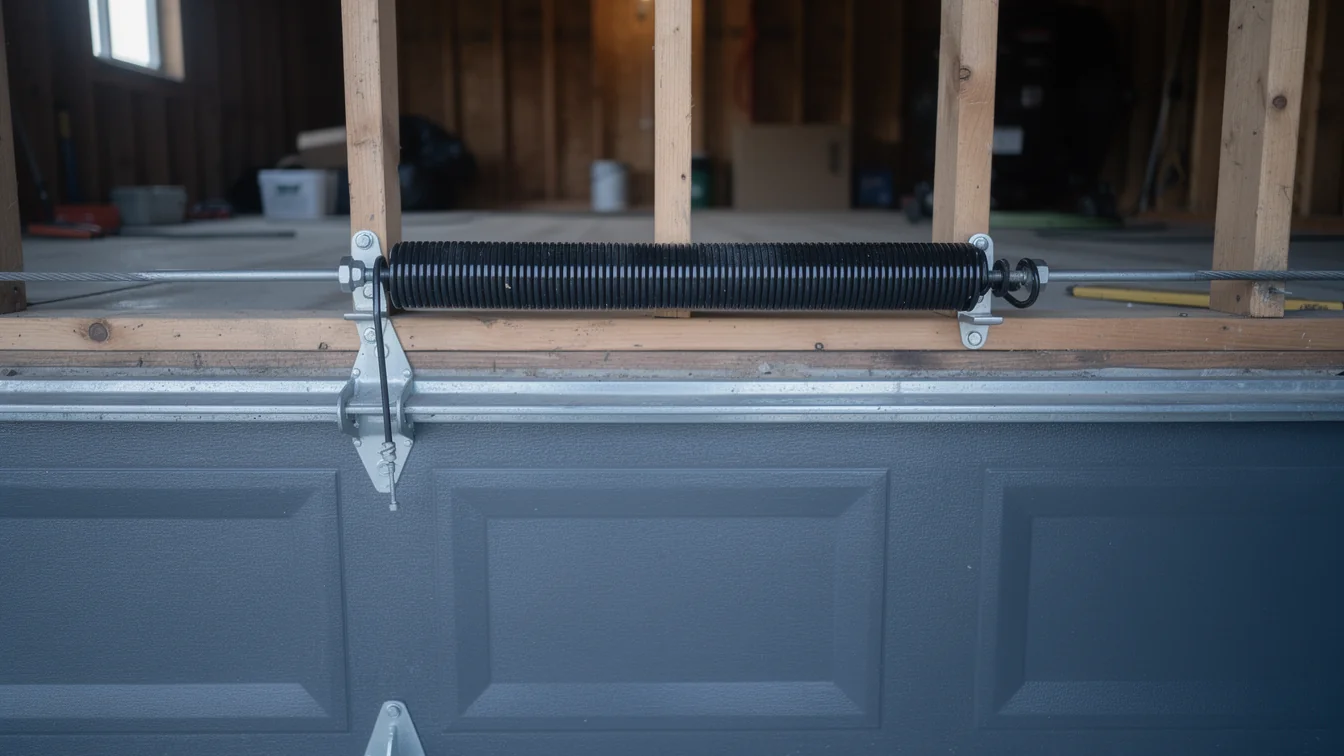
Sierra Vista's housing stock dates mostly to 1971-1995, with original hardware still common.
Read moreReady when you are
Sierra Vista Garage Door Pros repairs and installs garage doors, springs and openers in Sierra Vista, AZ and the surrounding area.